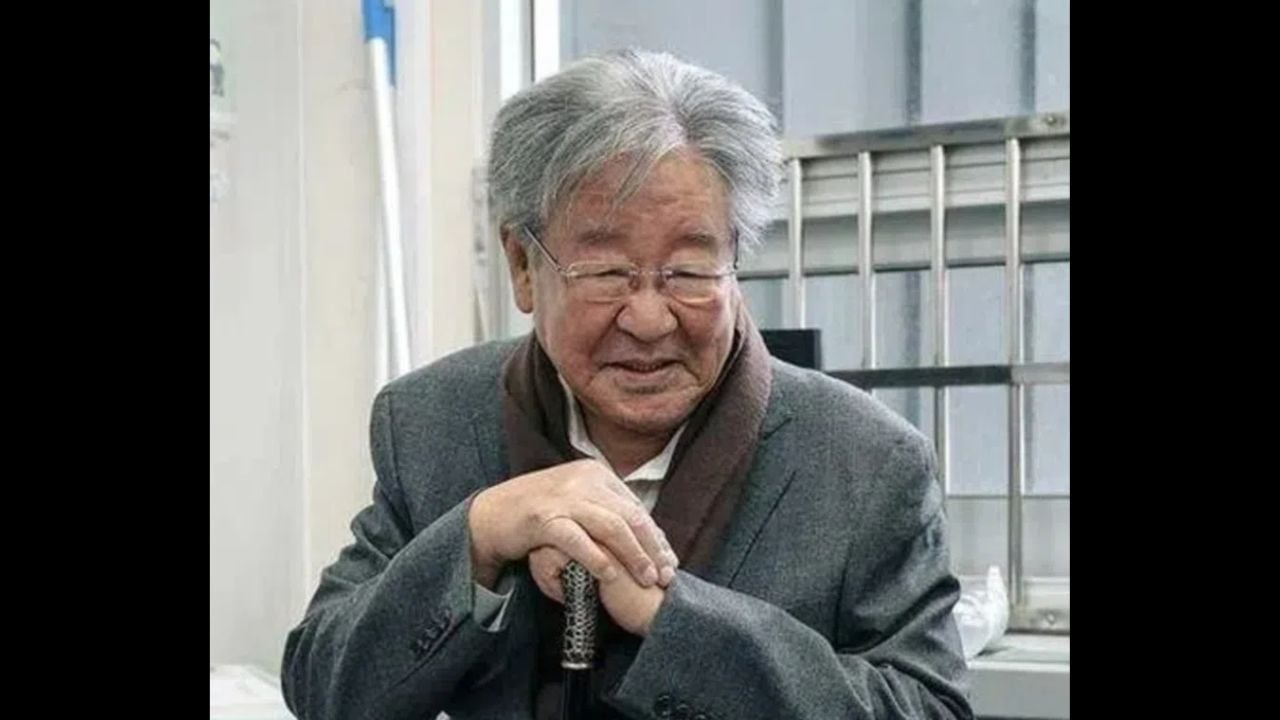
Veteran South Korean actor Choi Bool-am died on October 29, 2026, following a deterioration in his health associated with old age and prolonged medical difficulties. He passed away at approximately 10 p.m. at a hospital in Seoul’s Gangseo District. The actor had experienced serious mobility problems following spinal surgery in March 2025 and required repeated hospital treatment and rehabilitation. Widely respected for his performances in Chief Inspector and Country Diaries, Choi was remembered as one of the defining figures of South Korean television.
What Caused His Death?
Choi Bool-am’s death was attributed in reports to age-related health deterioration following an extended period of illness.
The actor had experienced significant physical difficulties during the final years of his life, particularly after undergoing surgery for a herniated spinal disc.
His condition reportedly affected his ability to walk comfortably and continue regular professional activities.
He required rehabilitation and experienced repeated hospital admissions.
His health worsened before his death in October 2026.
However, the available reports do not establish a single specific disease as the immediate medical cause of death.
It is therefore important to distinguish his documented health problems from an officially confirmed medical diagnosis.
The reports describe declining health and age-related complications rather than identifying one definitive fatal condition.
When Did He Die?
Choi Bool-am died on Thursday, October 29, 2026, at approximately 10 p.m.
His death occurred at a hospital in Gangseo District, Seoul, South Korea.
News of his passing became public on October 30, prompting tributes from the entertainment industry and viewers who had followed his career for decades.
Choi was widely reported to be 86 years old, although some Korean reports listed his age as 87 based on family records and different age-counting conventions.
The difference in reported ages does not change the confirmed date of his passing.
His death marked the end of a television and acting career that had spanned several generations of Korean audiences.
Spinal Surgery in 2025
One of the most significant developments in Choi’s later health history occurred in March 2025.
He underwent surgery to treat a herniated spinal disc, a condition involving displacement of material from a disc between the vertebrae.
Following the operation, he reportedly struggled with mobility.
His difficulties were serious enough to interfere with normal daily activities and professional commitments.
Reports indicated that he spent periods in hospital and underwent rehabilitation.
The treatment was intended to help him recover movement and manage his physical limitations.
Although the spinal condition was an important part of his medical history, the available information does not prove that the surgery directly caused his death.
His passing was instead reported in the broader context of declining health and advanced age.
Final Health Struggles
Choi’s health difficulties became increasingly apparent during 2025 and 2026.
After the spinal operation, his ability to move independently was reportedly reduced.
The actor had previously maintained a visible presence on television, particularly through programs exploring Korean food and regional traditions.
His physical condition eventually made those professional responsibilities difficult to continue.
Repeated medical treatment and rehabilitation became part of his later life.
These developments concerned viewers who had become accustomed to seeing him on television for many years.
Despite his declining health, Choi remained interested in documenting his experiences and reflecting on his career.
That interest ultimately contributed to a special documentary produced during his final year.
Leaving His KBS Show
Choi Bool-am stepped away from his longtime KBS food documentary program because of his deteriorating health.
The series, known in English through titles including Korean Cuisine and Dining, explored Korean food culture, local communities, and traditional dining experiences.
Choi had been associated with the program for approximately 14 years.
His warm presenting style helped make the show familiar to viewers across South Korea.
The role often required travel, conversations with local residents, and visits to restaurants and food producers.
As his mobility problems became more serious, maintaining that schedule became increasingly difficult.
His departure represented a significant change for a program closely associated with his personality.
For longtime viewers, his absence was one of the clearest public indications that his health had become a major concern.
His Final Documentary
One of the most personal projects associated with Choi’s final years was the documentary Paha, This Is Choi Bool-am.
According to reports published after his death, the actor personally contacted MBC producers in 2025 to express his wish for a documentary about his life.
He reportedly wanted his experiences and professional journey to be recorded while he was still alive.
The project was completed and aired in May 2026.
It provided an opportunity to reflect on his career, personal history, and contribution to Korean television.
The documentary became particularly meaningful after his death several months later.
Rather than being produced only as a posthumous tribute, it was created with Choi’s involvement during his lifetime.
Memorial Broadcast
Following Choi Bool-am’s death, MBC rebroadcast his documentary as a memorial tribute.
The special presentation allowed audiences to revisit his story through a program that he had reportedly requested himself.
For viewers who had watched him perform over several decades, the documentary offered a retrospective of his professional achievements.
It also demonstrated his interest in preserving memories of his work.
The rebroadcast attracted attention because of its connection to his final months.
Choi’s decision to participate in the project meant that audiences could hear reflections from the actor himself rather than relying entirely on accounts from colleagues and historians.
The documentary became an important part of the public remembrance following his passing.
Who Was Choi Bool-am?
Choi Bool-am was a celebrated South Korean actor whose television career made him a household name.
He became particularly famous for portraying authoritative, dependable, and compassionate characters.
His performances often reflected ordinary Korean family life, social relationships, and the responsibilities of older generations.
Over time, audiences developed a strong emotional connection to his work.
He became associated with the affectionate description “Nation’s Father”, reflecting the familiar paternal figures he portrayed on television.
His acting career covered major periods of change in South Korea’s entertainment industry.
While television technology, production styles, and audience expectations evolved, Choi remained a recognizable figure.
His influence extended beyond individual performances because many viewers grew up watching his characters.
Chief Inspector Fame
One of Choi’s defining roles came in the classic Korean television drama Chief Inspector.
The series established him as a major presence in crime-related television storytelling.
He portrayed a police investigator whose work involved solving cases and confronting criminal activity.
The character became widely recognizable among Korean audiences.
The program was notable for its long-running popularity and its place in the development of Korean television drama.
Choi’s performance contributed significantly to that reputation.
His portrayal helped establish the image of a principled and determined investigator.
Decades later, Chief Inspector remained one of the productions most closely associated with his name.
Country Diaries Legacy
Choi was also remembered for his role in Country Diaries, a long-running television drama depicting rural Korean life.
The series explored family relationships, village communities, and the changing realities of everyday life.
His character helped reinforce the warm, dependable image that audiences associated with him.
The drama became a significant part of South Korean television history.
Its extended run allowed viewers to develop strong attachments to the characters and their stories.
Choi’s performance was especially important in presenting the older generation’s role within family and community life.
Together, Country Diaries and Chief Inspector helped define his public image.
They also explain why his death prompted such widespread recognition across different age groups.
Tributes After His Death
News of Choi Bool-am’s passing prompted expressions of grief throughout South Korea.
Members of the entertainment industry, public figures, and longtime television viewers acknowledged his contribution to Korean broadcasting.
His reputation extended beyond his individual acting achievements.
For many people, he represented a familiar presence associated with family-centered dramas and classic television programs.
His death also encouraged renewed discussion of the changes that Korean entertainment had experienced during his lifetime.
As newer generations discovered his work, his older performances remained part of the country’s television heritage.
The memorial broadcasts and public tributes reflected that lasting cultural significance.
Latest Update
As of November 1, 2026, Choi Bool-am’s death has been reported as occurring on October 29 at a Seoul hospital, following a prolonged decline in health.
He had undergone spinal surgery in March 2025 and subsequently experienced serious mobility difficulties requiring medical care and rehabilitation.
His condition forced him to withdraw from his longtime KBS broadcasting role.
In May 2026, MBC aired a documentary about his life that he had reportedly requested during his illness.
The program was rebroadcast after his passing as a memorial tribute.
Choi Bool-am’s reported cause of death was age-related health deterioration, although no single specific fatal medical condition has been conclusively identified in the available reports.
His performances in Chief Inspector and Country Diaries remain central to his legacy, ensuring that his contribution to South Korean television will continue to be remembered.