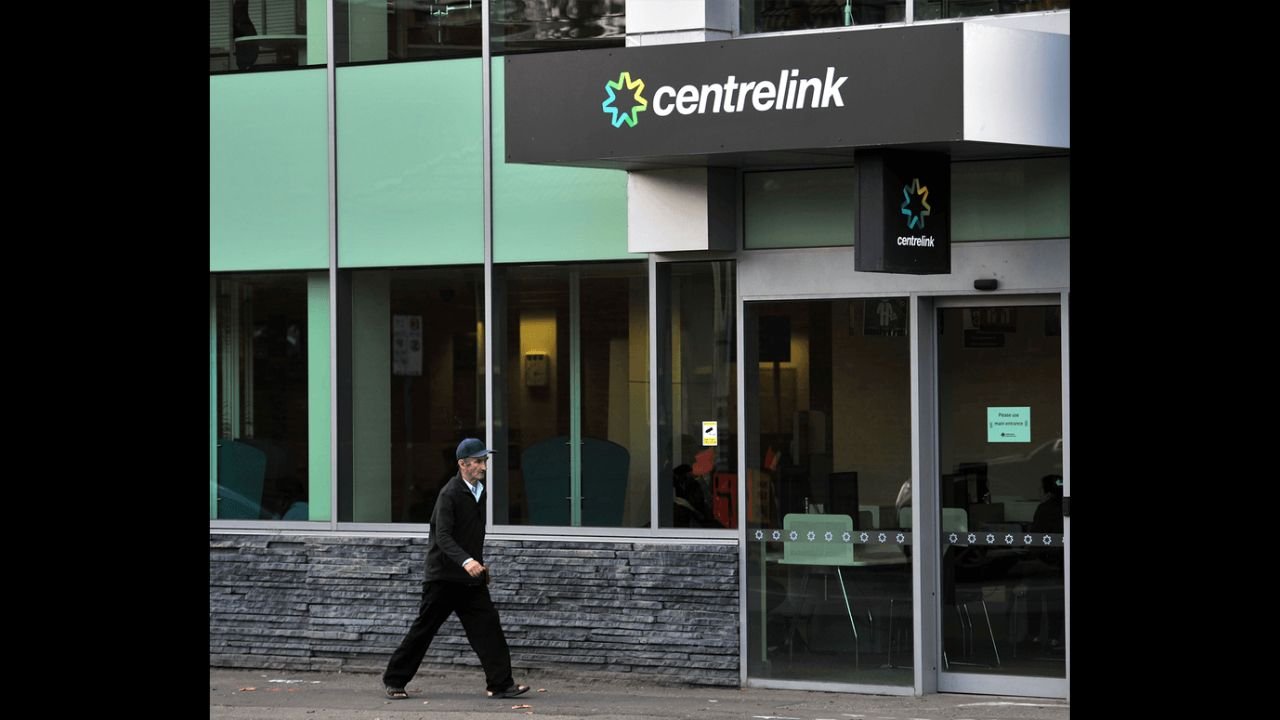
Thousands of Australians receiving Centrelink income support could face renewed payment cancellation rules from October 26, 2026, as the Albanese government prepares to restart parts of a controversial welfare compliance system.
The decision has sparked criticism from anti-poverty organisations, disability advocates and legal groups, which warn that unresolved problems could leave vulnerable jobseekers struggling to afford food, rent and other essentials.
The government says it has strengthened its systems and staff training. However, welfare advocates argue that past unlawful cancellations and incomplete safeguards make the decision premature.
Here is what the changes mean, who could be affected and why the October deadline is attracting attention.
What Changes October 26?
From Monday, October 26, 2026, Centrelink payment cancellations can resume for certain jobseekers who fail to reconnect with employment services within four weeks.
The measure forms part of Australia’s Targeted Compliance Framework, which links some income support payments to compulsory employment-related activities.
The Department of Employment and Workplace Relations has also announced the return of payment suspensions for people who refuse or fail to begin suitable employment.
These provisions had been paused for more than two years following concerns about how compliance decisions were being made.
Other suspended elements are expected to return during the first quarter of 2027.
Who Could Be Affected?
The changes primarily concern people receiving income support who must meet employment services requirements.
These obligations can include attending appointments, participating in approved activities and maintaining contact with employment service providers.
Under the returning cancellation rule, failing to reconnect with a provider for four weeks may place a person’s payment at risk.
However, the announcement does not mean every Centrelink recipient will automatically lose their payment.
Age Pension recipients and other people outside the relevant employment compliance arrangements are not the direct target of these changes.
The consequences depend on an individual’s payment type, obligations and circumstances.
Why Groups Are Concerned
Welfare organisations say cancelling income support can create immediate hardship for people already experiencing financial pressure.
Jay Coonan, co-coordinator of the Antipoverty Centre, criticised the decision, arguing that compulsory activities and financial penalties impose additional burdens on people with limited resources.
Advocates say missed appointments or failures to reconnect do not always indicate unwillingness to work.
Transport difficulties, illness, disability, unstable housing and communication problems can all affect a person’s ability to comply.
Their central concern is that a rigid compliance system may punish people facing genuine barriers rather than help them find employment.
The Illegal Cancellation Scandal
The controversy follows investigations into unlawful payment cancellations under the compliance framework.
Economic Justice Australia previously estimated that approximately 310,000 people had their payments unlawfully cancelled.
That figure comes from the organisation’s analysis rather than a new government announcement.
Reports by the Commonwealth Ombudsman identified serious problems involving automated decisions, administrative processes and the treatment of affected recipients.
An August 2025 report recommended a compensation scheme.
A subsequent review in December 2025 criticised aspects of the government’s remediation and decision-making approach as unfair and unreasonable.
These findings remain central to demands for stronger protections before cancellations restart.
What the Government Says
The Department of Employment and Workplace Relations says it has tested information technology changes and improved staff guidance and training.
According to the department, these measures are intended to ensure the returning compliance rules operate lawfully.
The government is also developing a Digital Protections Framework addressing automated systems used in employment services.
However, that framework had not been finalised when the October 26 restart was announced.
Welfare groups argue that assurances about improved systems are insufficient without clear evidence that earlier failures have been corrected.
Indigenous Australians’ Concerns
The National Aboriginal and Torres Strait Islander Legal Services (NATSILS) has raised particular concerns about the impact on First Nations communities.
According to the organisation, Aboriginal and Torres Strait Islander people accounted for 46% of those whose payments were unlawfully cancelled between April 2022 and July 2024.
NATSILS executive director Nick Espie described the disproportionate impact as evidence of systemic and structural racism.
The organisation argues that restarting cancellations without adequately addressing past failures risks worsening existing inequalities.
It has also questioned whether the approach is consistent with government commitments under the National Agreement on Closing the Gap.
Disability Advocates Respond
Inclusion Australia has warned that people with intellectual disabilities may face particular difficulties navigating compulsory employment requirements.
Chief executive Maeve Kennedy said more than 3,200 people with intellectual disabilities are subject to activities under the Targeted Compliance Framework.
Potential barriers include understanding administrative instructions, communicating with providers and accessing digital systems.
The organisation is also concerned that changes to disability support arrangements could make compliance harder for some participants.
Its position is that people should not lose essential income because systems fail to accommodate their needs.
Robodebt Fears Return
The Australian Council of Social Service (ACOSS) has questioned the decision to resume cancellations before digital safeguards are finalised.
Chief executive Dr Cassandra Goldie highlighted the importance of oversight following Australia’s history of welfare administration failures, including Robodebt.
ACOSS has opposed the Targeted Compliance Framework since its introduction under the former Coalition government.
The organisation wants the framework abolished rather than restarted with modifications.
Other advocates have called for greater human involvement in decisions that could remove someone’s income.
What Happens Next?
The October 26 restart is proceeding despite calls from welfare groups for the government to reconsider.
The remaining paused compliance provisions are scheduled to resume in early 2027, subject to the department’s implementation plans.
For affected jobseekers, understanding current employment obligations and keeping records of communications with providers may be particularly important.
Anyone facing a suspension or cancellation can seek clarification from Services Australia and consider obtaining independent welfare rights advice.
The broader dispute remains unresolved: the government says the system is ready to restart, while advocates argue that essential income should not be put at risk until stronger safeguards are operating.
With the deadline approaching, the treatment of vulnerable Centrelink recipients is again becoming a major test of Australia’s welfare system.