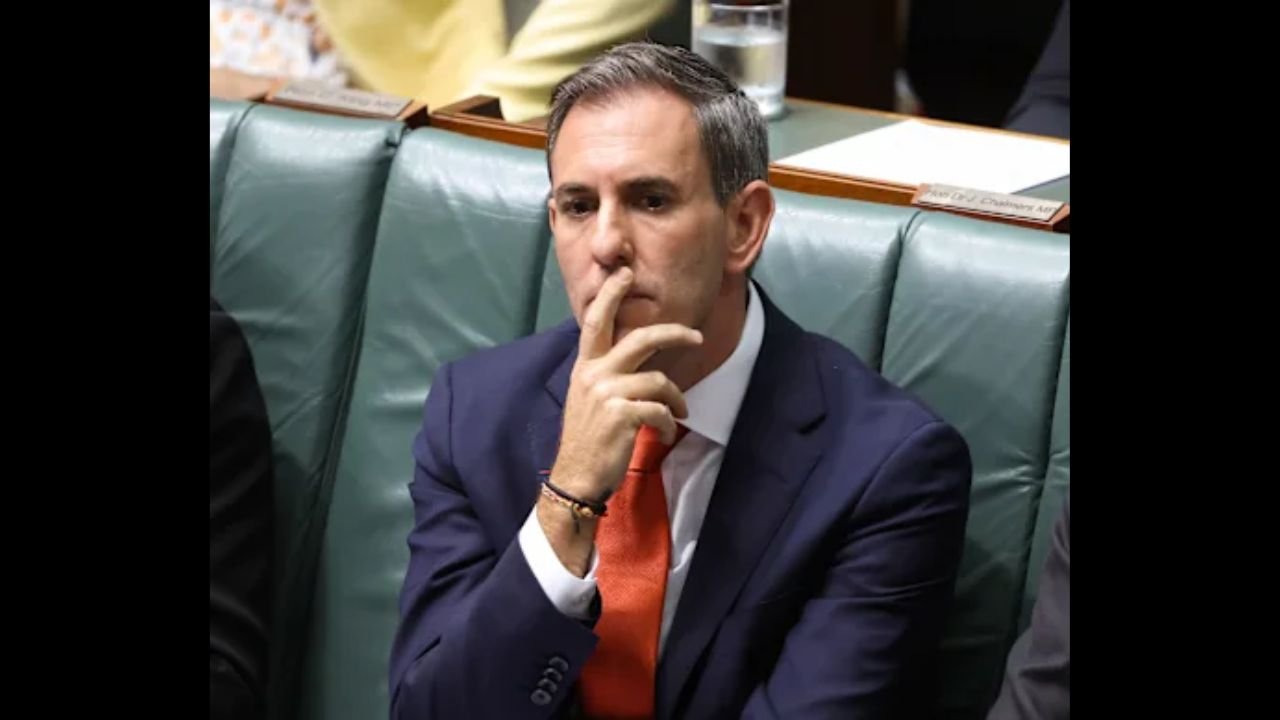
Jim Chalmers introduced legislation on October 14, 2026, proposing a 30 per cent minimum tax on the taxable income of discretionary trusts from July 1, 2028. The proposal includes exemptions, an alternative election arrangement and restructuring relief. It is a proposed future tax change, rather than a new 30 per cent charge already applying to every Australian trust. The October bills have triggered renewed debate about fairness, small-business costs and how the rules would operate.
What Has Jim Chalmers Announced?
The central proposal is a minimum tax paid at trustee level on discretionary trust income. It forms part of the government’s broader tax reform programme, first outlined in the 2026–27 Budget and subsequently developed through consultation and draft legislation.
The October package includes the Treasury Laws Amendment (Tax Reform No. 3) Bill 2026 and the Income Tax Rates Amendment (Minimum Tax on Discretionary Trusts) Bill 2026. Introducing bills is an important legislative step, but it is not the same as confirming that every provision has passed Parliament unchanged.
As of this update, the measure is being debated as legislation. The proposed commencement date remains July 1, 2028, giving the policy a future implementation timetable.
Why Discretionary Trusts Are the Focus
A discretionary trust allows a trustee to decide how income is allocated among eligible beneficiaries, within the trust’s rules and tax law. That flexibility can serve commercial and family purposes, but it can also allow income to be directed toward beneficiaries facing lower tax rates.
The government says the reform would better align tax on trust income with tax paid on wages and salaries. Treasury analysis cited by Chalmers identified differences in average tax outcomes between families using discretionary trusts and families with comparable incomes who do not.
The existence of legitimate uses is not disputed in the government’s own explanation. The debate concerns how broadly the minimum tax should apply and whether the proposed design deals fairly with businesses and families using these structures.
Which Trusts and Income Would Be Exempt?
The proposal does not cover every trust in the same way. The October announcement identifies exclusions for fixed trusts, charitable trusts, special disability trusts and superannuation funds.
It also identifies exemptions involving primary production income and certain income connected with vulnerable minors. Deceased estates and discretionary testamentary trusts established for genuine testamentary purposes are addressed separately in the proposed exclusions.
These categories should not be reduced to a blanket promise that every family trust or every testamentary arrangement will be unaffected. Eligibility depends on the precise statutory conditions, the trust’s structure and the income involved.
What Is the Alternative Election?
The government has proposed an election arrangement linked to pre-nominated beneficiaries and distribution shares. Under the stated approach, a qualifying trust could remain outside the minimum tax while continuing to distribute in line with the nomination.
This is intended to provide an alternative to undertaking a full legal restructure. The October statement says the election would be made for tax purposes and is not expected, by itself, to attract state or territory stamp duty.
However, an expectation about tax treatment is different from an individual determination. The detailed election conditions, ongoing distribution obligations and circumstances that could end eligibility are central to understanding its practical effect.
Restructuring Relief and the Key Dates
Rollover relief is proposed to become available from July 1, 2027 for qualifying businesses and others that choose to restructure. That date precedes the proposed minimum tax by a year.
The two dates describe different measures. July 2027 concerns access to the restructuring relief, while July 2028 concerns the intended start of the minimum tax. Confusing them can make a proposal appear to begin earlier than the government has stated.
Relief also does not mean every possible cost vanishes. Legal work, administration, financing arrangements and state taxes can raise separate questions, which is why business groups have focused heavily on implementation.
Why Businesses and Political Parties Are Objecting
Small-business representatives have warned about complexity, restructuring expenses and cash-flow effects. Some critics say the design could create additional problems where corporate beneficiaries are involved.
The Coalition has opposed the legislation, while the Greens have raised their own concerns and sought further scrutiny. Their objections are not identical: some focus on the burden on business, while others question whether exemptions weaken the reform.
The government argues that most small businesses will not be affected in a given year and that the available options address legitimate concerns. These competing positions explain the current debate without establishing that every projected cost will occur.
Two Recent Related Social Media Posts
October 2026 — Peter Johnson on LinkedIn: An accounting-training post promoted an October 8 session about the proposed trust tax, election regime and important dates. It reflected the professional preparation taking place before implementation.
September 11, 2026 — Adrian Cartland on LinkedIn: A tax-training update discussed the exposure draft and the proposed nomination rules. It concerned the consultation stage before the October bills and should be read in that sequence.
What Is Confirmed Now?
The confirmed development is the introduction of bills proposing a 30 per cent minimum tax from July 2028. Exemptions and relief are part of the design, but the final legislation and the circumstances of each trust determine the eventual consequences.