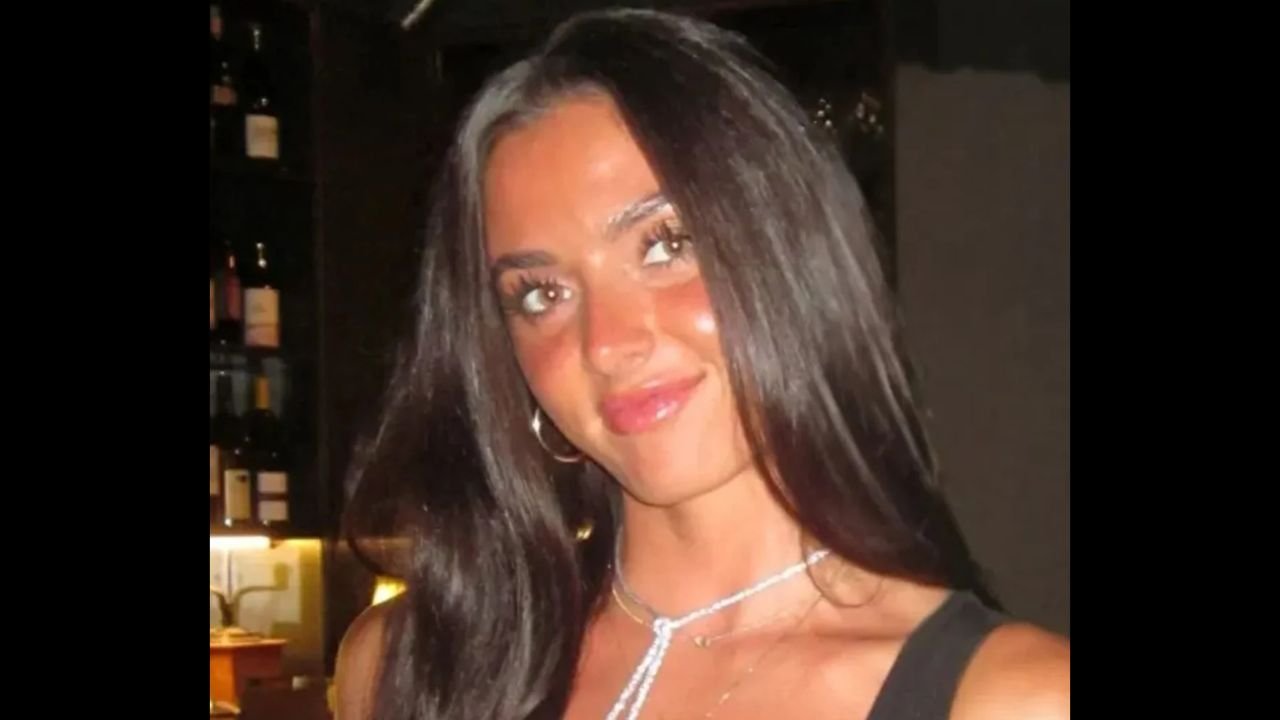
Rachel Apa, a 24-year-old former college athlete from Lewisberry, Pennsylvania, died after collapsing near the end of the New York City Marathon on November 1, 2026. She was participating in her first marathon to raise money for the Parkinson’s Foundation in memory of her grandfather. Despite receiving emergency medical attention, Apa died later that evening. Her father, Steve Apa, identified rhabdomyolysis, a serious condition involving rapid muscle breakdown, as the cause of her death.
The tragedy has drawn attention to Rachel’s athletic background, her final messages to her father, and the medical risks that can arise during strenuous endurance events.
What Happened?
Rachel Apa was running the 2026 New York City Marathon when she suddenly collapsed near mile 24 in Central Park.
She had completed most of the 26.2-mile course and was approximately two miles away from finishing.
Her mother and friends were reportedly waiting near the finish line to celebrate her achievement.
Instead, spectators noticed that Rachel needed urgent medical assistance.
Several bystanders immediately responded, including a hospital social worker who reportedly helped perform cardiopulmonary resuscitation.
Race medical personnel subsequently arrived and used a defibrillator while attempting to stabilise her condition.
Rachel was transported to Mount Sinai Hospital in critical condition, where doctors continued emergency treatment.
She died later that evening despite efforts to save her life.
Who Was Rachel Apa?
Rachel Apa was a 24-year-old Pennsylvania native and former Division I field hockey player at Bucknell University.
She grew up in Lewisberry and developed a strong interest in athletics from an early age.
Her participation in college-level field hockey reflected years of physical training, discipline, and competitive experience.
Friends and relatives described her as energetic and someone who enjoyed staying active.
Although she had an extensive sporting background, the New York City Marathon was her first attempt at the full 26.2-mile distance.
She had reportedly spent months preparing for the event.
Her death came as a shock to people who knew her as a healthy and experienced athlete.
Why She Ran
Rachel’s participation in the marathon carried a deeply personal meaning.
She was raising money for the Parkinson’s Foundation in honour of her late grandfather.
Parkinson’s disease is a progressive neurological condition that can affect movement, balance, and other bodily functions.
By entering the marathon as a charity runner, Rachel hoped to turn a demanding athletic challenge into an opportunity to support research, education, and assistance for people affected by the disease.
Completing the race would have represented both a personal milestone and a tribute to her grandfather’s memory.
That charitable purpose became an important part of how her family and supporters remembered her participation.
Final Text Messages
One of the most widely discussed details involves messages Rachel reportedly sent to her father, Steve Apa, while running.
During the first half of the race, she expressed how well she was feeling, reportedly writing that she had never felt better.
Her early confidence suggested that the marathon was progressing positively.
However, the tone of her messages changed as she approached the later miles.
Around miles 18 and 19, Rachel reportedly sent brief messages including “ugh” and “ow.”
Those messages have since attracted attention because they preceded her collapse.
However, the texts alone cannot establish exactly what symptoms she was experiencing or when her medical emergency began.
Cause of Death
According to her father, Rachel Apa died from rhabdomyolysis, commonly shortened to rhabdo.
This potentially life-threatening condition develops when damaged skeletal muscle cells release their contents into the bloodstream.
Among the substances released are myoglobin, an oxygen-binding muscle protein, and electrolytes such as potassium.
In severe cases, these substances can contribute to acute kidney injury, dangerous heart rhythm disturbances, and other complications.
Rhabdomyolysis has several possible causes, including major muscle injuries, certain medications, heat-related illness, and unusually intense physical exertion.
Exertional rhabdomyolysis can occur during demanding exercise, although it is not an inevitable consequence of running long distances.
The specific physiological sequence that led to Rachel’s collapse has not been fully detailed in the supplied reports.
Warning Signs
Rhabdomyolysis can sometimes be difficult to recognise because its early symptoms resemble ordinary exercise-related discomfort.
Possible warning signs include unusually severe muscle pain, weakness, swelling, and dark-coloured urine.
Some people also experience nausea, fatigue, or reduced urine output.
Not everyone develops the same symptoms, and the absence of dark urine does not rule out the condition.
Medical professionals can investigate suspected rhabdomyolysis through blood tests, including measurements of creatine kinase, along with kidney function and electrolyte testing.
Anyone experiencing severe or unusual symptoms after intense exercise should seek prompt medical assessment.
Family’s Loss
Rachel’s death devastated her family, particularly because she had entered the marathon with a meaningful charitable goal.
Her father publicly discussed her final messages and the reported medical cause, helping explain how quickly the situation changed.
For her mother and friends, who had expected to see her finish the race, the emergency brought an unimaginable turn to what should have been a celebratory day.
Her family has also emphasised her lifelong love of sports and her determination to help others.
Marathon Response
New York Road Runners, the organisation responsible for the New York City Marathon, expressed sadness over Rachel Apa’s death and extended condolences to her loved ones.
The incident has prompted discussion about the physical demands of endurance running and the importance of recognising unusual symptoms during a race.
Marathons involve substantial physiological stress, even for participants with strong athletic backgrounds.
However, Rachel’s death should not be interpreted as evidence that marathon participation generally leads to rhabdomyolysis.
Her case illustrates that rare but serious medical complications can affect experienced athletes.
Final Words
Rachel Apa died at just 24 after collapsing approximately two miles from the finish of the 2026 New York City Marathon. Her father identified rhabdomyolysis as the cause of death.
A former Bucknell University field hockey player, she had entered her first marathon to support the Parkinson’s Foundation in memory of her grandfather.
Beyond the circumstances of her death, Rachel is remembered for her athletic dedication, commitment to family, and willingness to take on a difficult challenge for a cause that mattered to her.