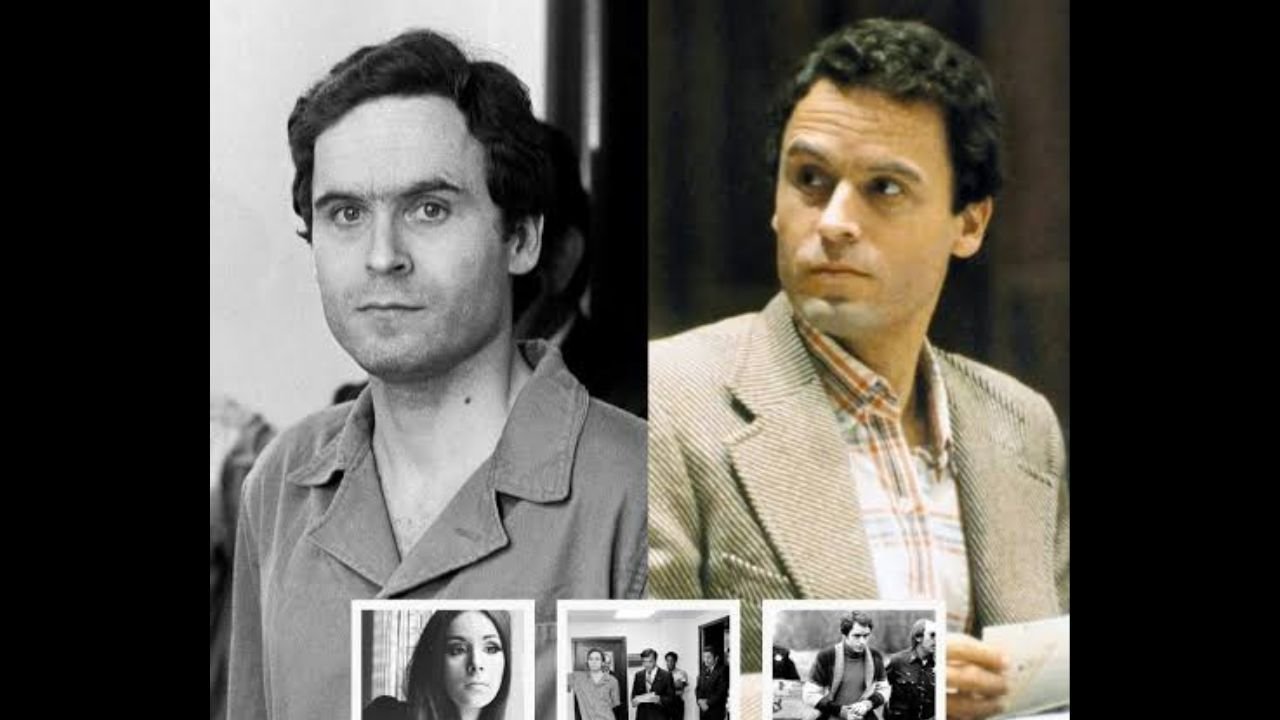
Yes, Ted Bundy was executed on January 24, 1989, at Florida State Prison in Raiford, Florida. The notorious American serial killer died in the electric chair at the age of 42, nearly a decade after receiving death sentences for murders committed in Florida.
Bundy’s execution marked the end of one of the most extensively publicized criminal cases in American history. He had been convicted of killing three young women and girls in Florida, while investigators linked him to numerous other murders across the United States.
In his final days, Bundy confessed to approximately 30 murders, although the full number of his victims remains uncertain.
Here is what happened during his final hours, why he received the death penalty, and how his execution unfolded.
Was Ted Bundy Executed?
Ted Bundy was executed by electrocution on Tuesday, January 24, 1989.
The execution took place at Florida State Prison in Raiford, using the state’s electric chair, commonly nicknamed “Old Sparky.”
Bundy was officially pronounced dead at 7:16 a.m. Eastern Standard Time.
He was 42 years old, having been born on November 24, 1946.
His death followed years of criminal trials, appeals, and unsuccessful efforts to prevent the execution from proceeding.
The execution brought his legal battle against Florida’s death sentences to an end.
Why Was He Sentenced?
Bundy received the death penalty following convictions connected to three murders committed in Florida in 1978.
The first case involved the killings of Margaret Bowman and Lisa Levy, two Florida State University students attacked at the Chi Omega sorority house in Tallahassee.
Both women were murdered during a violent attack on January 15, 1978.
Other women were also assaulted during the same night but survived.
Bundy was convicted of the two murders in 1979 and sentenced to death.
A separate case involved Kimberly Leach, a 12-year-old girl who disappeared from Lake City, Florida, in February 1978.
Her body was discovered weeks later.
Bundy was convicted of her kidnapping and murder in 1980, receiving another death sentence.
In total, Bundy received three death sentences in Florida.
The Murder Trials
Bundy’s trials attracted extraordinary media attention because of his courtroom behavior and the disturbing nature of the crimes.
During his 1979 trial in Miami, he frequently challenged witnesses and participated in his own defense.
His legal background contributed to his confidence in courtroom proceedings, although he had never completed law school.
The prosecution presented physical evidence and witness testimony linking him to the Chi Omega attacks.
A jury ultimately found him guilty.
His subsequent trial for Kimberly Leach’s murder produced another conviction and death sentence.
These verdicts established the legal basis for his eventual execution.
Years on Death Row
Bundy spent nearly 10 years on Florida’s death row following his first murder convictions.
During that period, his attorneys pursued multiple appeals challenging aspects of his trials, convictions, and sentences.
Several execution dates were delayed while courts reviewed legal arguments.
Bundy also sought to postpone his death by offering investigators additional information about unsolved murders.
However, the legal process eventually reached its conclusion.
Florida Governor Bob Martinez signed the final death warrant, and last-minute efforts to obtain another stay were unsuccessful.
By January 1989, authorities were preparing to carry out the sentence.
His Final Confessions
In the days before his execution, Bundy began providing investigators with information about murders he had previously refused to discuss fully.
He confessed to approximately 30 killings across several American states, primarily involving crimes committed between 1974 and 1978.
Investigators questioned him about disappearances in Washington, Oregon, Utah, Colorado, Idaho, and other locations.
Some of his statements helped authorities better understand previously unsolved cases.
However, not every confession could be independently verified.
Bundy also withheld certain details, and investigators believed he might have been responsible for additional deaths.
The exact number of Ted Bundy’s victims has never been conclusively established.
His late confessions were widely viewed as an attempt to obtain more time before his execution.
Final Interview
Shortly before his death, Bundy participated in a widely publicized interview with Christian psychologist and broadcaster James Dobson.
During the conversation, Bundy discussed pornography and violent behavior, suggesting a connection between the two.
His comments attracted considerable attention, but they should not be treated as an established scientific explanation for his crimes.
Experts have long cautioned against accepting a convicted killer’s final statements as a complete or reliable account of his motivations.
The interview became one of Bundy’s last major public appearances.
It was recorded shortly before his scheduled execution and later circulated widely through television and documentary coverage.
Execution Day
On the morning of January 24, 1989, prison officials prepared Bundy for execution.
He was escorted into the execution chamber at Florida State Prison, where witnesses had assembled to observe the procedure.
Bundy was secured in the electric chair.
When asked whether he wished to make a final statement, he addressed his attorney and a minister who had been present.
His final words expressed affection for his family and friends.
The execution then proceeded according to Florida’s procedures.
Bundy was pronounced dead at 7:16 a.m. EST, ending his life at age 42.
Crowds Outside Prison
Hundreds of people gathered outside Florida State Prison as the execution approached.
Some were journalists covering the event, while others were members of the public who had followed Bundy’s crimes and trials.
Reports described a celebratory atmosphere among portions of the crowd.
People cheered, displayed signs, and made noise when news of the execution became public.
The reaction reflected the intense public anger surrounding Bundy’s crimes.
However, the spectacle also prompted discussion about capital punishment and the way society responds to notorious offenders.
For victims’ families, the execution represented the conclusion of a lengthy criminal justice process, although it could not undo their losses.
How Old Was Ted Bundy?
Ted Bundy was 42 years old when he died.
He was born on November 24, 1946, in Burlington, Vermont, and was executed on January 24, 1989.
His known killing spree took place mainly during the 1970s.
He was arrested several times during that decade and escaped custody twice in 1977.
After his second escape, he traveled to Florida, where he committed the murders that ultimately resulted in his death sentences.
His final arrest occurred in February 1978 in Pensacola, Florida.
Where Was He Buried?
Following the execution, Bundy’s body was cremated.
According to widely reported accounts, he requested that his ashes be scattered in the Cascade Mountains of Washington state.
The region was associated with some of the crimes investigated during the 1970s.
There is no traditional public gravesite for Bundy.
His death and cremation closed the final chapter of his personal history, but questions surrounding several suspected victims remained unresolved.
The Final Answer
Ted Bundy was executed on January 24, 1989, by electric chair at Florida State Prison in Raiford.
He was pronounced dead at 7:16 a.m. EST, aged 42, after receiving three death sentences for the murders of Lisa Levy, Margaret Bowman, and Kimberly Leach.
Although he confessed to approximately 30 killings shortly before his death, investigators never established the complete extent of his crimes.
His execution ended the legal proceedings against him, but the lasting focus of the case remains the victims, their families, and the unanswered questions surrounding other disappearances linked to his crimes.