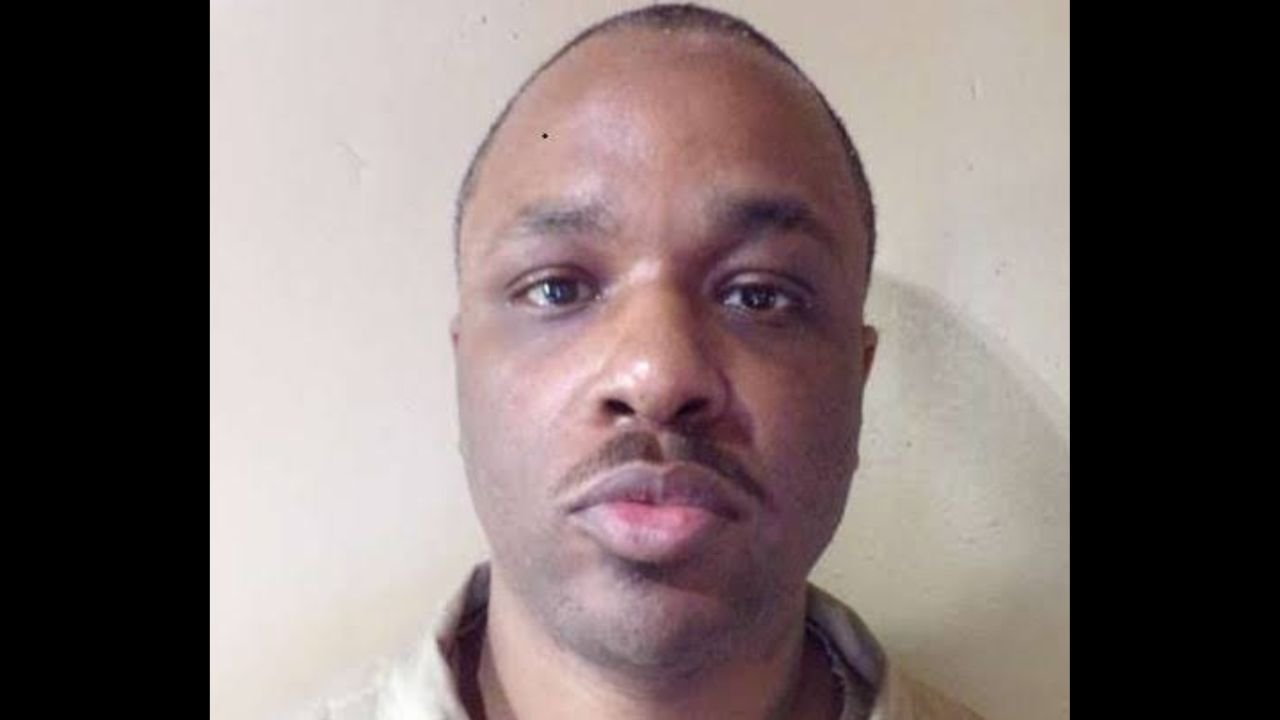
Jeremy Tremaine Williams was executed by lethal injection in Alabama on August 13, 2026, for the 2021 kidnapping, sexual assault and murder of five-year-old Kamarie Holland. The 42-year-old was pronounced dead at 6:16 p.m. at William C. Holman Correctional Facility in Atmore.
Williams had been sentenced to death in 2024. His execution followed an unusually short period on death row after he chose not to pursue further legal challenges to his sentence.
The case drew national attention because of the age of the victim, the evidence presented in court and Williams’s decision to allow his execution to proceed.
Execution Details
Alabama carried out Williams’s death sentence on Thursday, August 13, 2026, using lethal injection.
The execution took place at Holman Correctional Facility, where Alabama conducts executions.
Prison officials pronounced Williams dead at 6:16 p.m. Central Time.
His execution came less than two years after his death sentence, a significantly shorter interval than in many American capital cases.
The accelerated timeline was closely connected to his decision to waive further appeals.
State officials said the sentence had undergone the required judicial review before the execution date was authorised.
Who Was Jeremy Williams?
Jeremy Tremaine Williams was an Alabama death-row prisoner convicted in connection with the murder of Kamarie Holland.
He was 42 years old when the state carried out his execution.
His conviction arose from events in December 2021 involving a five-year-old girl from Georgia.
The case was prosecuted in Alabama because the child’s killing occurred in Phenix City, across the state border from Columbus, Georgia.
Williams received a death sentence in 2024 after court proceedings established his responsibility for the crime.
Who Was Kamarie Holland?
Kamarie Holland was a five-year-old girl whose death in December 2021 became the focus of a major criminal investigation.
She was taken from Georgia to Alabama, where investigators later determined that she had been sexually assaulted and killed.
The circumstances surrounding her death prompted widespread outrage and raised serious questions about the adults responsible for protecting her.
Her case also highlighted the importance of investigating suspected child exploitation and trafficking.
While Williams became the central figure in the criminal proceedings, the victim’s identity and the loss suffered by her family remain essential to understanding the case.
What Happened in 2021?
Prosecutors said Williams arranged to sexually exploit Kamarie after paying her mother, Kristy Marie Siple, $2,500.
According to evidence presented in the case, Williams took the child to an abandoned property in Phenix City, Alabama, in December 2021.
Investigators alleged that he administered methamphetamine to the child, sexually assaulted her and killed her by strangulation.
Authorities also reported recovering recordings connected to the crimes from his mobile phone.
The digital evidence became an important part of the investigation and prosecution.
The circumstances described in court demonstrated the extreme vulnerability of the victim and the deliberate nature of the offences.
The Mother’s Involvement
Kristy Marie Siple, Kamarie’s mother, was implicated in the circumstances that led to her daughter’s death.
Prosecutors alleged that she accepted money from Williams in connection with the child’s sexual exploitation.
Her alleged involvement became a major element of the investigation because it concerned a parent’s responsibility to protect a young child.
The case attracted additional attention because the victim was allegedly placed in danger by someone responsible for her care.
Siple’s separate legal proceedings should be distinguished from Williams’s conviction and execution.
The Death Sentence
Williams was sentenced to death in 2024 following his conviction for crimes involving Kamarie Holland.
The prosecution presented evidence concerning the kidnapping, sexual assault and killing.
The court proceedings also examined his criminal history and other allegations of violence against children.
Alabama’s capital punishment system requires judicial review of death sentences, even when a defendant chooses not to pursue every available appeal.
Williams’s case was unusual because he actively sought to bring the legal process to an end.
His decision contributed to the relatively brief period between sentencing and execution.
Why Was It Expedited?
Williams waived further legal appeals and requested that Alabama proceed with his execution.
Many death-row prisoners spend years or decades challenging their convictions or sentences through state and federal courts.
Williams took a different approach by declining to continue that process after the required reviews.
His decision did not eliminate the state’s responsibility to follow its legal procedures.
The Alabama Court of Criminal Appeals and Alabama Supreme Court were involved in the judicial process preceding the execution.
Governor Kay Ivey subsequently allowed the sentence to proceed.
Williams reportedly connected his decision to a desire to bring closure to the victim’s family.
Other Criminal Allegations
Authorities also disclosed disturbing allegations and prior offences involving Williams during the broader legal proceedings.
According to statements from Alabama officials, Williams had admitted responsibility for the death of his infant daughter in Alaska.
Authorities also described convictions involving the sexual abuse of other children, including a young relative.
These matters contributed to public scrutiny of his history.
However, they should be distinguished from the specific Alabama conviction for which he was executed.
The death sentence carried out in August 2026 arose from the murder of Kamarie Holland.
Alabama’s Response
Alabama Governor Kay Ivey and Attorney General Steve Marshall issued statements following Williams’s execution.
State officials presented the execution as the completion of the criminal justice process following his conviction and sentence.
Ivey declined to intervene to stop the execution.
The attorney general’s office also addressed the circumstances of the case and the seriousness of the offences.
The execution renewed attention to Alabama’s capital punishment system, including the legal safeguards surrounding death sentences and the circumstances in which prisoners waive appeals.
Case Status in 2026
Jeremy Williams’s death sentence was carried out on August 13, 2026, at Holman Correctional Facility in Atmore, Alabama.
He was pronounced dead at 6:16 p.m., bringing his criminal proceedings and sentence to a close.
The case remains significant because of the murder of a five-year-old child, the evidence presented against Williams and the unusually rapid execution timeline.
For readers searching whether Jeremy Williams was executed, the answer is yes: Alabama executed Jeremy Tremaine Williams by lethal injection on August 13, 2026, for the murder of Kamarie Holland.
The lasting focus of the case is the loss of Kamarie’s life and the failure of those responsible for her safety to protect her.